Connecticut storms can strike fast, leaving homeowners with more than just apparent damage. Even when your roof looks fine from the ground, hidden issues can lead to leaks, structural problems, or costly repairs later. For homeowners across New Hartford, Litchfield County, and the greater Hartford area, knowing what to look for after a storm is essential to protecting your home and investment.
With timely inspections and professional guidance, you can identify hidden roof damage early and prevent minor issues from becoming major problems. Understanding common damage types and warning signs is key to staying ahead of potential problems.
Common Hidden Roof Damage After Storms
Even minor storms can leave behind damage that isn’t immediately visible. Some of the most common hidden issues include:
Loose or Lifted Shingles
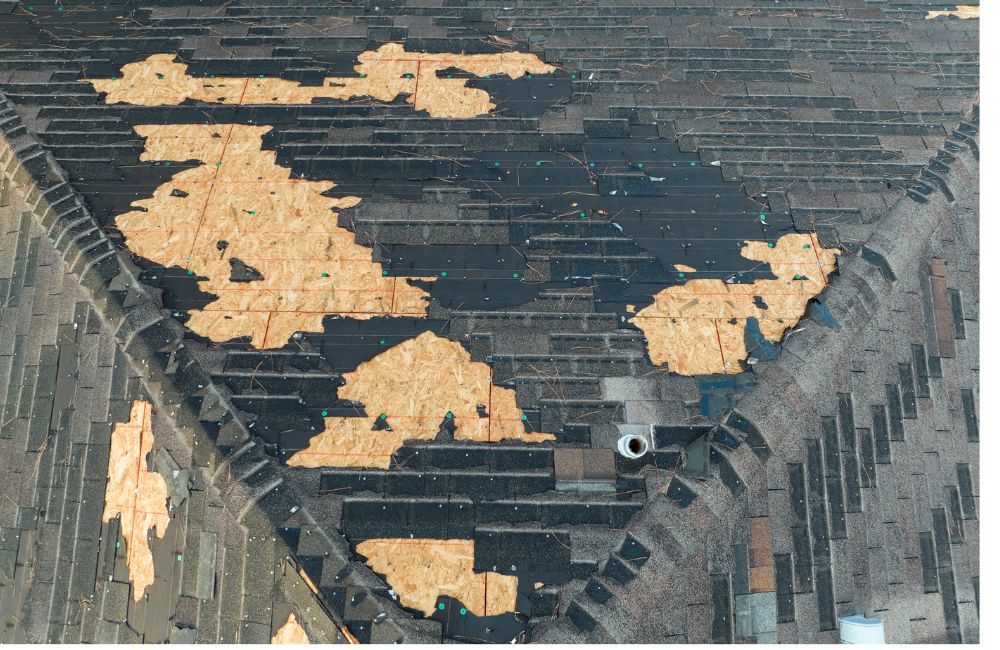
Strong winds can lift shingles or loosen nails, leaving your roof vulnerable to water infiltration. Shingles may not fall off immediately, but even partial lifting can allow rainwater to seep beneath the roof deck, causing rot over time. Loose shingles also increase the risk of complete shingle loss during subsequent storms.
Damaged Flashing
Flashings around chimneys, vents, skylights, and roof edges can become bent, cracked, or dislodged during strong winds or hail. Damage to flashing often goes unnoticed until leaks appear inside the home. Proper flashing repair ensures water is diverted away from critical areas and prevents long-term structural damage.
Granule Loss
Hail, ice, or heavy rain can strip protective granules from asphalt shingles. Granule loss may appear minor at first, but it significantly reduces the shingles’ UV protection and water resistance. Over time, this accelerates aging and can lead to premature roof replacement if left unaddressed.
Roof Deck Issues
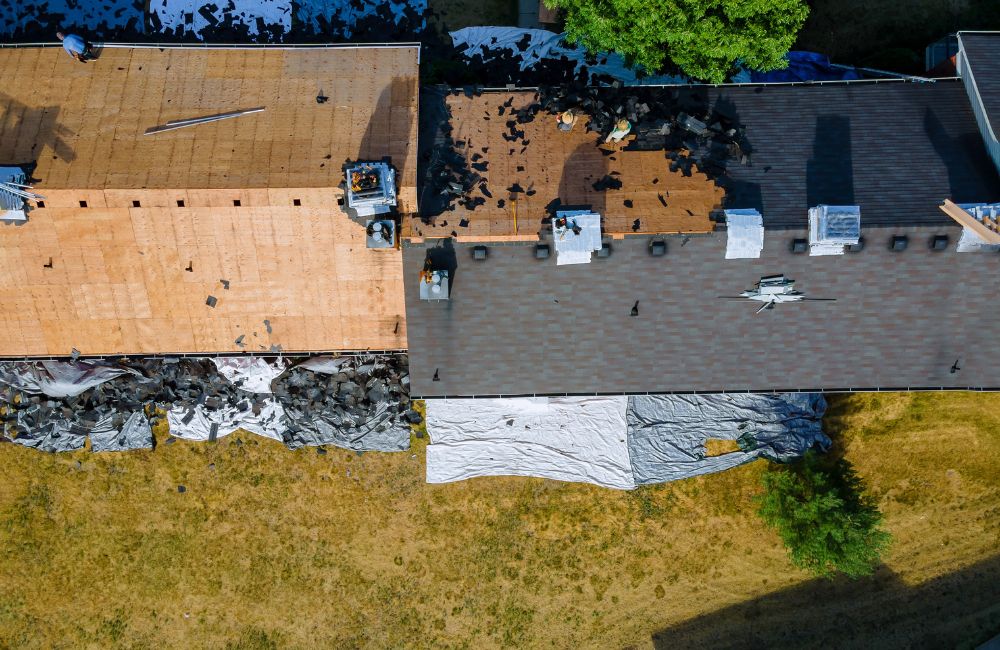
Water can seep under shingles and damage the roof deck, which forms the structural base of your roof. Rotting deck materials weaken support, increase the risk of leaks, and can even compromise safety during extreme weather. Early detection prevents extensive structural repairs.
Gutter and Downspout Problems
Clogged or misaligned gutters may prevent proper drainage, causing water to pool along the roof edge or foundation. Overflowing water can damage fascia boards, soffits, and landscaping, leading to secondary issues like mold or foundation erosion.
Warning Signs to Watch For
While some damage is only visible from the roof, homeowners can spot early warning signs from the ground or attic:
- Interior water stains or damp spots on ceilings or walls
- Warped, curling, or missing shingles
- Granules or shingle fragments in gutters
- Loose debris on the roof after a storm
- Mold, mildew, or unusual odors in the attic
- Sagging roof areas or soft spots when walking in the attic
If you notice any of these signs, it’s crucial to act quickly before further damage occurs. Delaying inspection or repair can result in costly interior damage, mold growth, and even structural issues.
How to Prevent Hidden Roof Damage
Even after a storm, preventive steps can help mitigate further risks:
- Schedule a professional roof inspection within a few days of a storm.
- Remove debris carefully without damaging shingles.
- Keep gutters and downspouts clear to allow proper drainage.
- Inspect attic insulation and ventilation for signs of moisture.
- Address small leaks or damage immediately to prevent escalation.
Homeowners in areas like Torrington, New Hartford, and Litchfield County benefit from proactive care to reduce the likelihood of major repairs later.
Why Professional Roof Inspections Matter
Even if your roof looks intact, professional inspections are essential after storms. Elite Roofing CT provides thorough assessments to identify hidden damage, make necessary repairs, and ensure your roof is safe and durable. Our team also assists with insurance documentation, increasing the likelihood of coverage for storm damage.
Professional roofers have the tools and experience to safely detect issues that may be invisible to untrained eyes, protecting your home and preventing unexpected costs down the road.
FAQs
How soon should I inspect my roof after a storm?
Within a few days is ideal, especially after heavy winds, hail, or rain. Early inspections can prevent minor damage from becoming severe.
Can I safely inspect the roof myself?
While some visual checks from the ground are safe, climbing onto the roof is risky. Professionals can spot subtle issues without putting anyone at risk.
What if I find minor damage?
Even minor problems can escalate quickly. Scheduling prompt repairs can prevent leaks, mold, and costly interior damage.
Does insurance cover hidden damage?
Often, yes. Documenting damage with a professional inspection improves the likelihood of a successful claim and ensures you receive the coverage you’re entitled to.
How often should I have my roof inspected in general?
Annual inspections, along with inspections after any significant storm, help maintain roof health and longevity, extending your roof’s life and protecting your home investment.
Contact Elite Roofing CT
With over 15 years of experience, Elite Roofing CT specializes in durable, energy-efficient roofing solutions, including inspections, storm damage repair, leak prevention, and maintenance. Serving New Hartford, Litchfield County, and the greater Hartford area, we help homeowners protect their roofs and their homes.
📍 Location: 6 Hidden Hill Rd, New Hartford, CT 06057
📞 Phone: 860-309-0493